

📍 Contents
1. The Eastern Side of Garhwal Himalaya
The Valley of Flowers, Hemkund Sahib, Badrinath, Mana Village, and Auli — so many dreamy Himalayan destinations lie quietly tucked into the northeastern corner of Uttarakhand. With 8 to 10 days in hand, it becomes possible to experience a journey through what truly feels like the “heaven” of the mountains.
But the Garhwal Himalayas are not merely about scenic landscapes and postcard-perfect valleys — at least, that is what I used to believe before travelling through other parts of the Himalayas like Spiti Valley, Kashmir, Ladakh, Sikkim, and Arunachal Pradesh. The weather changes without warning, Roads disappear under landslides and long journeys test both patience and endurance. Journeys that seem perfectly planned in cities often begin losing their certainty somewhere after Rishikesh. The Himalaya move at their own rhythm, and traveling here requires a bit of planning and respect for nature.
Joshimath and Karnaprayag are two of the most important towns in this region, both playing a crucial role in connecting travellers to the upper Garhwal Himalayas. Almost every journey toward destinations like Badrinath, Valley of Flowers, Hemkund Sahib, Auli, or Mana Village eventually passes through these towns.

2. Best Time to Visit the Garhwal Himalaya
It depends on what kind of journey you are looking for and what experiences draw you toward the mountains in the first place. Every season carries its own beauty, limitations, and mood.
2.1 Winter: Snow, Silence, and Closed Roads
From December to May, Joshimath and the surrounding region receive heavy snowfall. During these months, many places beyond Joshimath become difficult to access, difficult enough to demand patience, luck, and a bit of faith.
The shrine of Badrinath remains closed during winter. Permits are not issued for Valley of Flowers National Park, and trekking to Hemkund Sahib is not advisable. But winter gives a completely different life to Auli.
Just 12 kilometres from Joshimath, Auli turns into a white world of snow-covered slopes and pine forests. Skiers arrive from different parts of the country, and the quiet mountain town suddenly becomes alive again.
2.2 Summer: Pilgrims, Trekkers, and Crowded Mountain Roads
The Char Dham Yatra usually begins around mid-May every year. Thousands of pilgrims start moving towards Badrinath and Hemkund Sahib, while trekkers head towards places like Valley of Flowers National Park, Kuari Pass, Neelkanth, and several other trails in the Garhwal Himalayas.
Although registration for the Char Dham Yatra is now mandatory, the situation often becomes chaotic during peak season. Roads become crowded, hotels fill quickly, and long traffic jams are very common. Unless you are travelling towards a remote trekking region, be prepared for heavy crowds and overtourism during this time.
2.3 Monsoon: The Most Beautiful and Dangerous Season
Late June to late August is probably the most uncertain period to travel here. Heavy rain, landslides, cloudbursts, road blockages — everything becomes part of the journey. There are moments when you wait for hours beside broken roads without knowing when the route will reopen.
And yet, this is exactly the season when the Valley of Flowers becomes magical. We visited the valley during the third week of July. The rain had made the journey difficult, but once we entered the valley, all the exhaustion disappeared quietly. Thousands of flowers had bloomed across the slopes. Mist floated slowly through the mountains. Waterfalls appeared from invisible cliffs. The valley did not look real. It looked like something out of a fairytale, hidden deep within a remote Himalayan valley.
3. Exploring the Garhwal Himalaya
One of the best things about this region is that so many iconic Himalayan destinations are located surprisingly close to each other. With Joshimath as your base, it becomes possible to experience very different shades of the Garhwal Himalayas within a single journey — from pilgrimage towns and ancient villages to alpine meadows (bugyals), glaciers, waterfalls, and high-altitude treks. Each place feels different from the other, yet somehow they all remain connected through the same mountain roads, rivers, and valleys.
3.1 Badrinath: The Abode of Lord Vishnu
Badrinath Temple is one of the four main pilgrimage sites of the Char Dham Yatra in India. Dedicated to Lord Vishnu, the ancient temple stands gracefully on the banks of the Alaknanda River, surrounded by the towering Nar and Narayana peaks. Its vibrant, multi-coloured facade resembles a Buddhist monastery and contrasts beautifully with the snowy landscape of Devbhoomi. Devotees often take a dip in the natural hot springs of Tapt Kund before entering the temple sanctum. Unlike Kedarnath or Yamunotri, Badrinath is easily accessible by a motorable road and does not require trekking.

3.2 Mana Village: Life at the last Indian Village
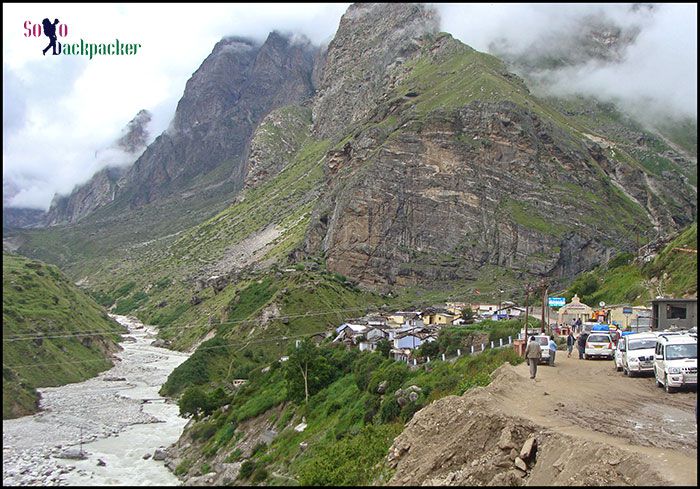
A few kilometres beyond Badrinath Temple lies Mana Village, often known as the last Indian village near the Indo-Tibetan border. With its stone houses, narrow lanes, old women carrying baskets from the fields, and ladies knitting woollens outside small shops, the village feels untouched by time. Colourful prayer flags flutter in the cold mountain wind, and every corner carries the quiet charm of the Himalaya.
3.3 Vasudhara Falls: A Silver Thread in a Harsh Terrain
Beyond Mana Village, a short trek leads to Vasudhara Falls. The landscape changes dramatically along the way. The greenery slowly fades, giving way to rough, dry, and barren mountains. Then, almost unexpectedly, the waterfall appears in the middle of the harsh terrain, like a silver thread descending gracefully from the sky.
3.4 Valley of Flowers: A Walk Through Paradise
Valley of Flowers feels like my own version of paradise. The valley is covered with endless beds of colourful flowers, each with its own shape, shade, and fragrance. Towering mountains rise into the sky while low clouds drift quietly above. Waterfalls tumble down the slopes, the milky Pushpawati River flows through the valley, and tiny streams cross the walking trails. In the distance, the Tipra Glacier stands silently, completing a landscape that feels far beyond imagination. Everywhere you look, flowers bloom in brilliant shades of red, yellow, blue, pink, purple, and white.
The journey to the valley usually begins from Govindghat. Most travellers take a short vehicle ride to Pulna to save time. From there, the trail climbs about 10 km uphill to Ghangaria village, where most people stay for the night.

The next day, it is a 4 km walk from Ghangaria to enter the Valley of Flowers. The path begins with a steep climb but becomes flatter once you enter the valley. Depending on how far you want to explore, you can walk another 3–4 km deeper into the valley before heading back.
Plan your trip to Valley of Flowers: Valley of Flowers: A Paradise on the Earth
3.5 Hemkund Sahib: Spiritual Peace Above the Clouds
Hemkund Sahib is one of the most important pilgrimage sites for Sikhs. Reaching it requires a steep 6 km uphill trek from Ghangaria village. The climb is physically demanding, as the altitude rises quickly and the thin mountain air often makes breathing difficult.
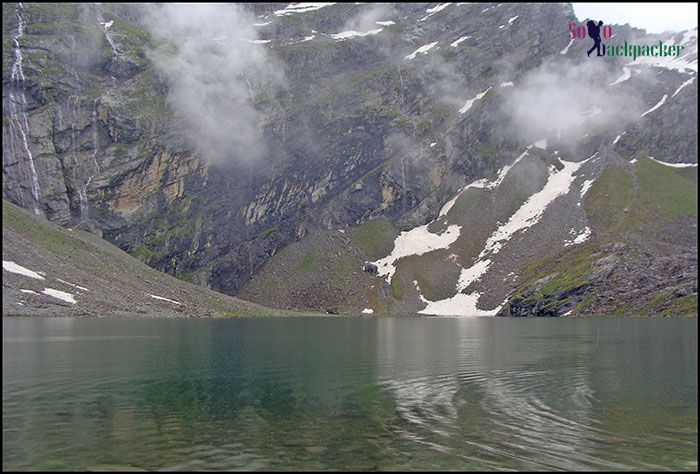
But the moment the glacial lake and the Gurudwara appear together against the mountains, the exhaustion quietly fades away. The route is also famous for the beautiful Brahma Kamal flowers, which bloom in abundance during the season (usually between July to September) amidst the cold mountain air.
3.6 Auli: Panoramic Views and Winter Slopes
After the tiring hikes to Valley of Flowers and Hemkund Sahib, Auli feels like the perfect place to slow down and relax. The atmosphere is calm, with open meadows, quiet pine forests, and a beautiful artificial lake adding to its charm. Riding the ropeway or simply sitting and admiring the distant snow-covered peaks is enough to make a few hours feel peaceful and refreshing. It is famous for offering one of the clearest views of Nanda Devi, India’s second-highest peak.
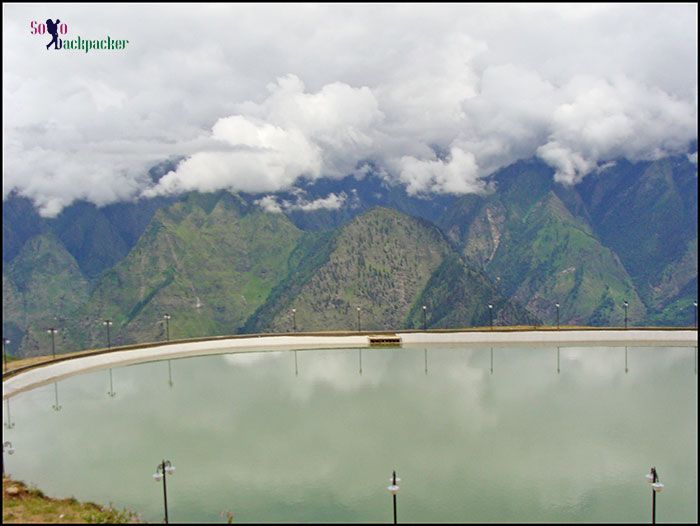
But Auli transforms completely during winter. Heavy snowfall (January to March) turns the quiet hill station into one of India’s most popular skiing destinations, attracting skiers from around the world to its famous slopes. Auli has a history of hosting both national and international winter sports competitions like National Winter Games Championship and the Auli Skiing Winter Carnival (usually in February).
Travelling between these places is not always easy. Roads remain unpredictable, the weather changes suddenly, and landslides are a part of mountain life here. But that is also part of the experience we have during our travels. That’s part of the adventure.
4. Beyond Garhwal: Extending the Journey
If there are still a few extra days left after exploring the Garhwal Himalayas, the journey does not have to end yet. Several beautiful destinations nearby can easily extend the trip for many more days.
4.1 The Kumaon Detour: From Karnaprayag to Nainital
From Karnaprayag, the route towards Haldwani gradually enters the quieter hills of Kumaon. Along the way, the road passes through scenic mountain towns like Gwaldam, Kausani, Baijnath, Jageshwar, Almora, and Nainital.
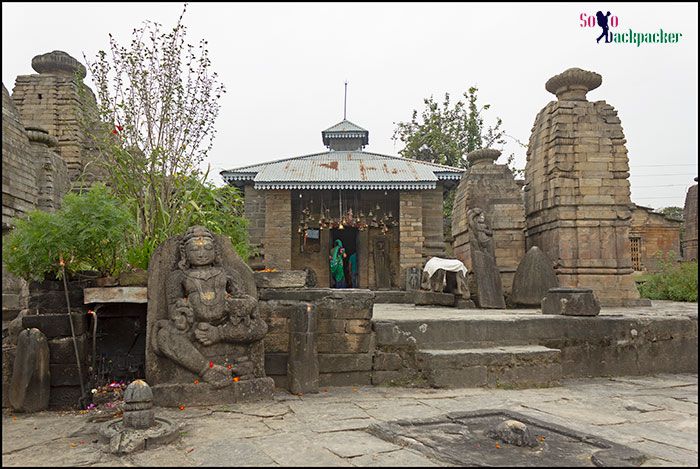
There was a time when this route was counted among the most beautiful mountain drives in India. Thick pine forests, quiet valleys, and endless winding roads once made the journey feel deeply peaceful. Over the years, however, road widening projects have changed much of the landscape, and countless trees have been cut down. The roads may be wider and faster today, but somewhere along the way, a part of the old mountain charm faded. Still, the Kumaon hills continue to hold their own quiet beauty and remain a wonderful extension to a Himalayan journey.
5. Popular Treks and Adventures in the Region
For those looking for more adventure, the Himalaya offer endless possibilities in this region. Treks like Roopkund, Swargarohini, Kuari Pass, and several lesser-known routes can easily extend the journey much further.
5.1 Roopkund: Memories of the Mystery Lake
The Roopkund Trek was once one of the most famous high-altitude treks in the Himalaya, known for its mysterious glacial lake where hundreds of ancient human skeletons were discovered. The trail passed through dense forests, alpine meadows like Ali and Bedni Bugyals, and dramatic mountain landscapes before reaching the lake beneath towering snowy peaks. I was lucky enough to experience this beautiful trek at a slower pace many years ago, before many of the restrictions came into place.
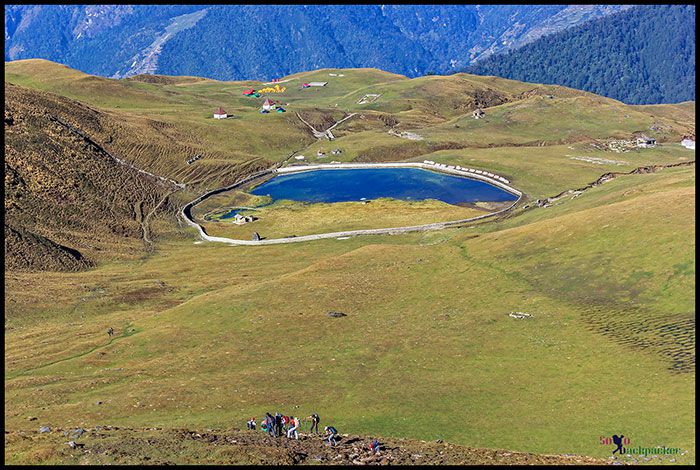
Trekking to Roopkund is currently restricted due to environmental concerns, and camping is no longer allowed in Bedni Bugyal. However, the trek is still manageable with a faster itinerary and proper planning. The Nanda Devi Raj Jat Yatra also offers another way to experience the route at a slower pace, though the trails become much more crowded during the pilgrimage.
Our experience on Roopkund Trek: Trekking to Roopkund Lake and Junargali Pass
5.2 Satopanth Tal and the Swargarohini
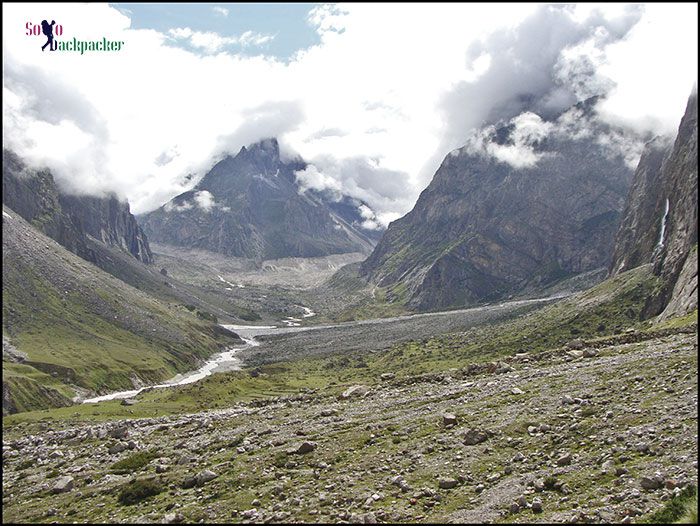
Rising beyond the meadows near Badrinath Temple and Mana Village, the Swargarohini massif is deeply connected with legends of the “stairway to heaven.” While climbing the peaks is meant only for experienced mountaineers, the trek towards Satopanth Tal takes travellers close to their base.
5.3 Kuari Pass (The Curzon Trail)
It is a popular winter trek in India. Often starting from Auli or nearby Dhak Village, this trek is famous for its breathtaking panoramic mountain views. From the pass, towering Himalayan peaks like Nanda Devi, Dronagiri, and Kamet rise dramatically in every direction. It makes for a perfect extension to the journey for travellers already exploring Auli.
Another popular winter trek in Uttarakhand: Kedarkantha Trek
6. More Than Just a Himalayan Journey
Ultimately, a journey through the Garhwal Himalayas becomes much more than simply visiting a list of destinations. The mountains slowly teach patience, acceptance, and the art of moving at their own pace. Whether it is the quiet beauty of the Valley of Flowers or the sight of Nanda Devi glowing in the evening light from Auli, these landscapes stay in memory long after the journey ends. Roads may change, crowds may increase, and the mountains may become busier with time, but the deeper spirit of the region still remains untouched. For those willing to travel with patience and respect, the Himalayas continue to reveal their quiet magic.
